



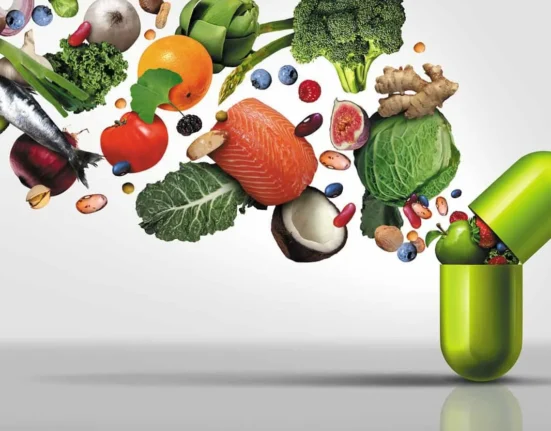


High blood pressure, or hypertension, is one of the most widespread health issues in the world. In the United States alone, nearly one in two adults suffers from elevated blood pressure. Often dubbed the “silent killer,” hypertension can go unnoticed for years while gradually damaging the arteries, heart, brain, kidneys, and other organs. Fortunately, the solution doesn’t always require prescription medication. Many people can achieve significant improvements through natural, science-backed lifestyle changes.
In this article, we will explore research-supported methods to lower blood pressure naturally, improve cardiovascular health, and reduce the long-term risk of heart disease and stroke.
Why High Blood Pressure Is a Silent Threat

Blood pressure refers to the force of blood pushing against the walls of your arteries. When this pressure stays consistently high, your heart has to work harder to pump blood. Over time, this can lead to:
- Hardened or narrowed arteries (atherosclerosis)
- Heart attacks and heart failure
- Stroke
- Kidney disease
- Vision loss
- Cognitive decline
Even slightly elevated blood pressure can cause damage over time. According to the InformedHealth.org resource published by the National Library of Medicine, small reductions in blood pressure—achieved through lifestyle changes—can lead to substantial improvements in long-term cardiovascular outcomes. For instance, a systolic blood pressure drop of just 5 mmHg can reduce the risk of stroke by up to 14%.
1. Lose Excess Weight, Especially Around the Abdomen
Excess weight, particularly abdominal fat, increases the workload on the heart and contributes to vascular resistance. The University of Utah Health explains that even a modest weight loss of 5–10 pounds can have a measurable impact on blood pressure.
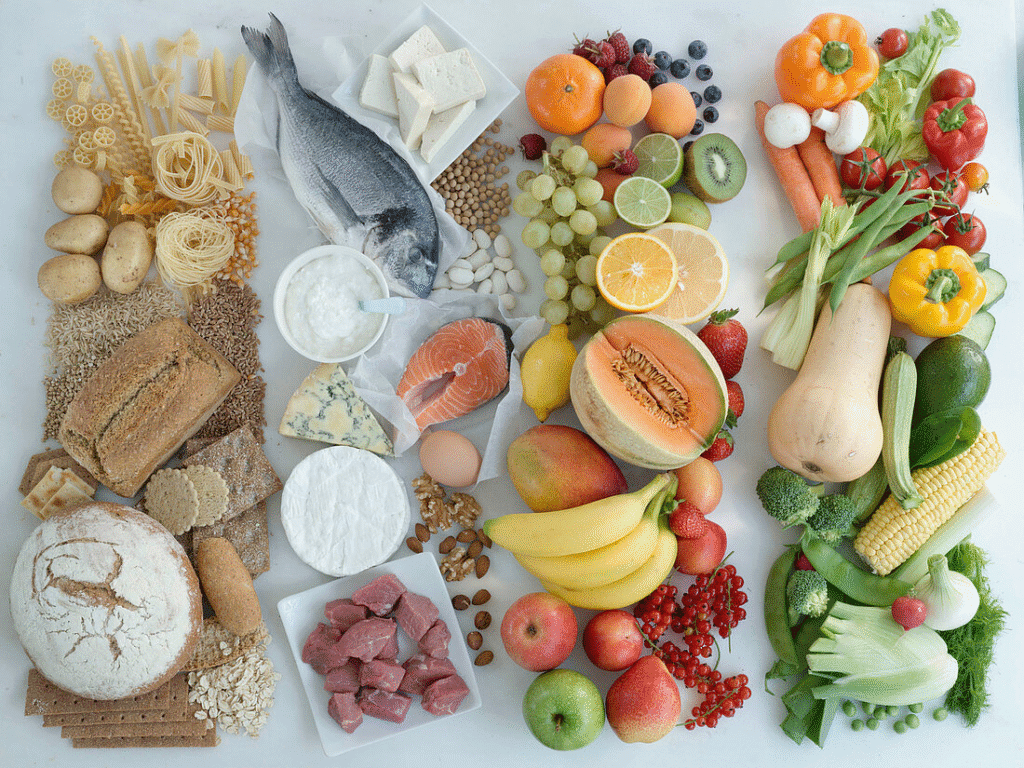
To achieve sustainable weight loss:
- Focus on whole foods such as vegetables, fruits, lean proteins, and healthy fats.
- Avoid ultra-processed foods high in sugar, sodium, and trans fats.
- Practice portion control and mindful eating.
- Engage in regular physical activity (covered below).
2. Reduce Sodium Intake and Consider Potassium-Rich Alternatives
Salt is one of the most significant contributors to elevated blood pressure. Most people consume twice the recommended daily sodium intake, often unknowingly, through processed foods, restaurant meals, and snacks. Health authorities recommend keeping sodium intake under 2,300 mg per day (about one teaspoon of table salt).
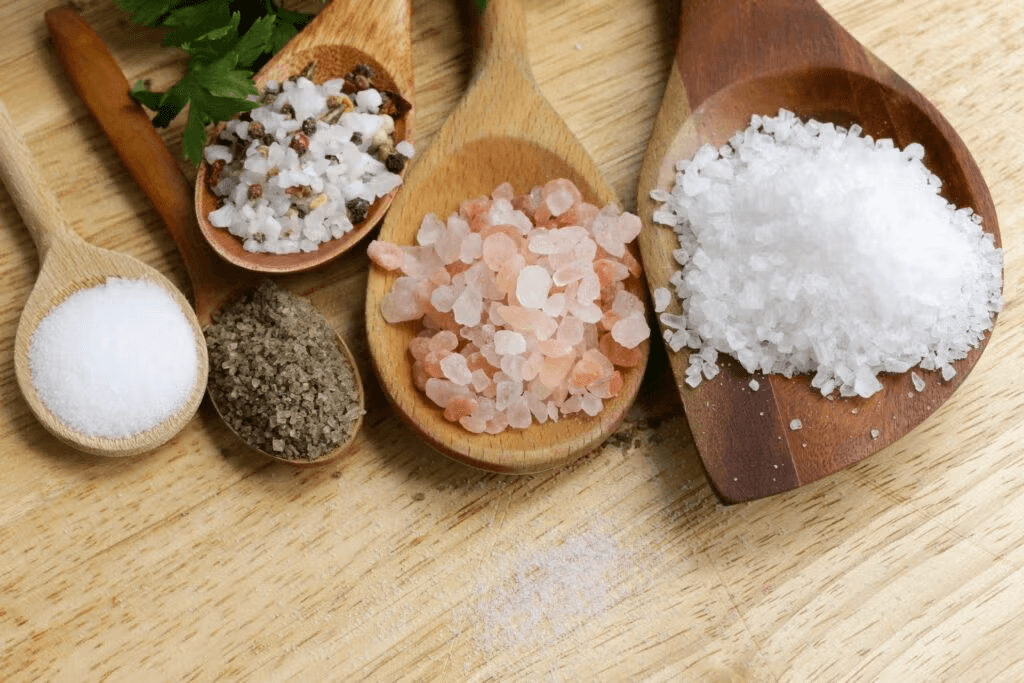
Tips for reducing sodium:
- Prepare meals at home using fresh ingredients.
- Read food labels and avoid items with more than 300 mg sodium per serving.
- Consider switching to potassium-enriched salt substitutes, but consult a doctor first—especially if you have kidney disease or take certain medications.
According to studies reviewed in Cochrane meta-analyses and cited by InformedHealth.org, salt substitutes can significantly lower both systolic and diastolic blood pressure and reduce cardiovascular mortality in people with hypertension.
3. Quit Smoking to Protect Your Arteries
Smoking damages the walls of blood vessels, accelerates atherosclerosis, and raises blood pressure. It also reduces oxygen in the blood, making the heart work harder. The benefits of quitting smoking begin within hours of your last cigarette and continue to build over time.
Strategies that help include:
- Nicotine replacement therapy (patches, gum, lozenges)
- Behavioral counseling
- Prescription medications like bupropion or varenicline
- Support groups or smoking cessation apps
Regardless of how long you’ve smoked, quitting now can reduce your blood pressure and significantly extend your life expectancy.
4. Limit Alcohol Consumption
Although alcohol might seem relaxing, it can raise your blood pressure—especially when consumed in larger quantities. Heavy drinking is linked to both short-term spikes and long-term hypertension. Even moderate consumption may contribute to elevated blood pressure in sensitive individuals.

Safe guidelines:
- Men: No more than 2 standard drinks per day
- Women: No more than 1 standard drink per day
If you drink regularly, try to reduce intake gradually. Consider alcohol-free alternatives like herbal teas, sparkling water with lemon, or kombucha.
5. Exercise Regularly – Consistency Over Intensity
Exercise strengthens the heart and improves blood vessel flexibility, both of which help lower blood pressure. Aim for at least 150 minutes of moderate-intensity activity per week, such as brisk walking, swimming, cycling, or hiking.

Key points:
- You don’t need to overexert. Moderate, regular activity is more effective than sporadic, intense workouts.
- Activities like gardening, climbing stairs, or house cleaning also count.
- Resistance training (e.g., with light weights or resistance bands) can further improve cardiovascular fitness.
If you are new to exercise, start slowly and build up your endurance over time.
When Lifestyle Changes Aren’t Enough
For some individuals, especially those with very high blood pressure or additional risk factors, medication may be necessary. However, lifestyle changes still play a crucial role. In many cases, they can reduce the need for higher drug doses and lower the risk of side effects.
Always consult with a healthcare professional before making significant changes to your diet, exercise routine, or medication plan.
Final Thoughts: Taking Control of Your Health, One Habit at a Time
High blood pressure is a serious condition—but one that you can manage effectively with informed decisions and consistent habits. By making gradual lifestyle changes, you can significantly reduce your blood pressure, enhance your well-being, and protect your heart and brain for years to come.
To recap:
- Lose weight if needed, especially abdominal fat
- Reduce salt intake and consider potassium-rich alternatives
- Quit smoking and limit alcohol
- Move your body regularly
- Work closely with your doctor to monitor progress
These small steps, over time, can make a life-saving difference.
Sources: